
If you bleached your hair and it came out orange, that probably wasn’t the blonde reveal you had in mind. Orange usually means the lightener exposed warm pigment, but your hair hasn’t lifted to the level needed for your goal yet. This is especially common when starting with darker hair or hair that’s been colored before.
The fix depends on your hair history, its current condition, and what color you’re trying to get to. Sometimes toner can soften the warmth. If you want to go lighter, toner alone won’t do it. Adding more bleach without a plan can make the situation harder to fix.
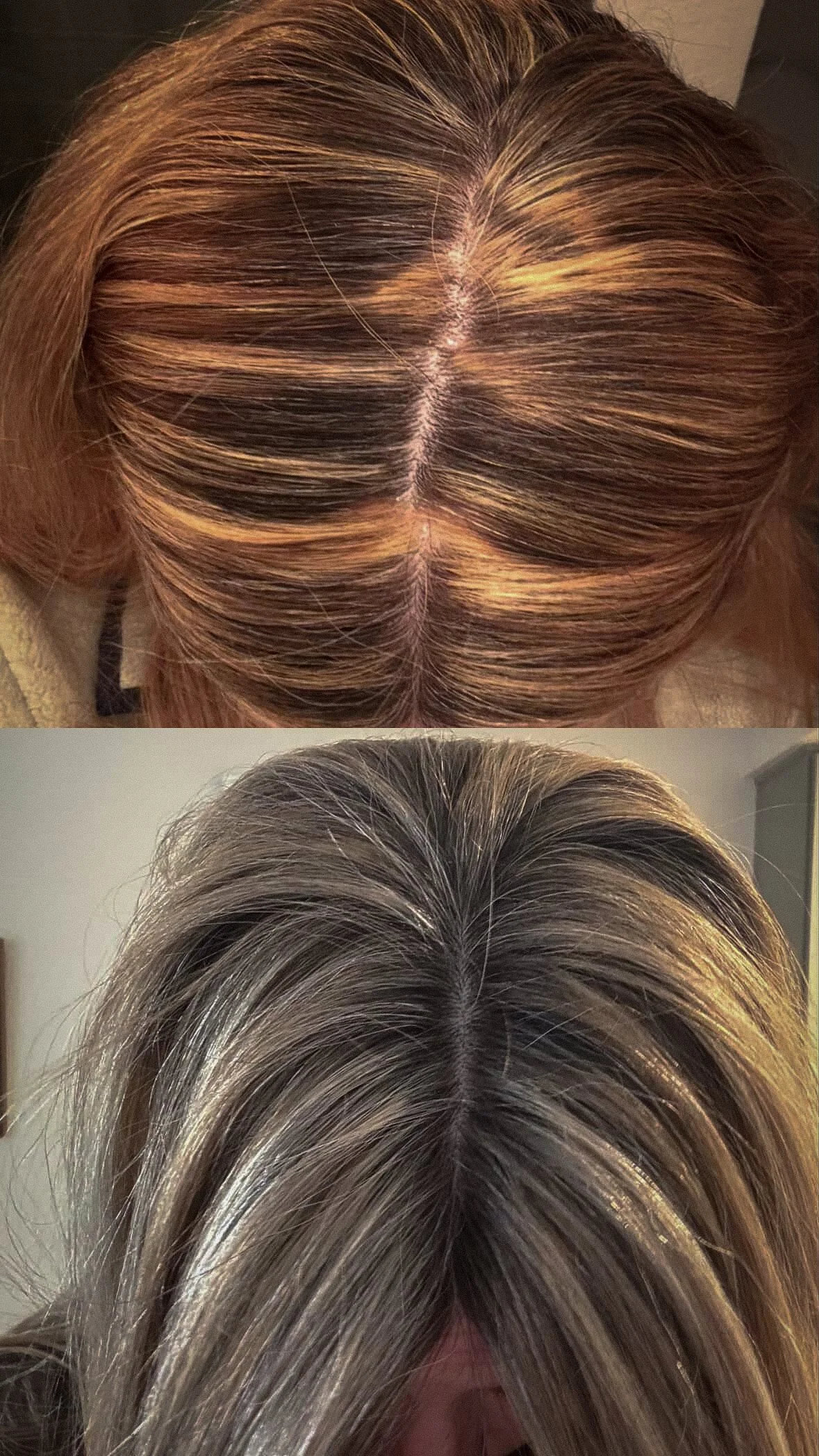
Before and after of brassy highlights and bleach bleeders corrected by Bella at Forma Collective Salon in Denver. @bellascalahair
What causes orange hair after bleaching?
Hair lightens in stages. As darker hair lifts, warm red, orange, and yellow tones can show up along the way. If the process stops at an orange stage, your hair may need more controlled lightening to get lighter. Or, you may decide on a shade that works with the level your hair has reached.
Previous color matters, too. Box dye, old vivid color, repeated dark color, or overlapping lightener can make hair lift unevenly. That’s how you can end up with orange in one area, yellow in another, and darker patches elsewhere. Bleach doesn’t erase your hair history, even when the old color looks faded.
Can toner fix orange hair?
Sometimes! A toner can adjust unwanted warmth when your hair is light enough for the color you want. Blue toned shades are generally used to counter orange, while violet toned shades are used for yellow. But toner adds tone; it doesn’t make your hair lighter.
So if you’re aiming for pale blonde and your hair is still orange, a cool toner won’t magically get you there. It may make the color look more muted or darker without creating the blonde you wanted. A colorist can look at the hair in front of them, along with the color in your inspiration photo, to figure out whether toning, a gloss, a different target shade, or gradual lightening makes sense.
Does purple shampoo get rid of orange hair?
Purple shampoo is usually meant to help maintain blonde hair that looks yellow. If your hair is distinctly orange, it may not be the right match. Blue toned products are made for orange warmth, but at home toning products can still grab unevenly or leave a tone you weren’t expecting, especially if your hair is porous or previously lightened.
Use toning products as directed, and don’t stack a bunch of corrective products in one wash. If your color is patchy or your hair already feels fragile, get a professional opinion before trying to tone or lighten it again.
Should I bleach orange hair again?
Please don’t rush into another round of bleach without checking the hair first. Lightening again can cause more uneven color or breakage, especially if lightener overlaps sections that have already been processed. A consultation and test strand give your colorist a better idea of how your hair responds before deciding what to do next.
Sometimes the best plan is more than one appointment. Your colorist can talk through what’s realistic in one visit, what may take longer, and what shades your hair can handle along the way.
How can I prevent orange tones next time?
Tell your stylist your full color history, including box dye, vivid color, henna, and at home lightening.
Bring inspiration photos that show both the color and how light you want to go.
Follow a maintenance plan made for your specific hair and color.
Book a consultation before a big change, especially if your hair has been colored or lightened before.
Even color that has faded out can still affect how your hair lifts, so the more your stylist knows, the better they can plan.
Need help fixing orange hair in Denver?
Orange hair after bleaching can feel like a hair emergency, but it doesn’t automatically mean your hair is ruined or your blonde is impossible. The right fix depends on why the warmth showed up, what your hair has been through, and what it can handle now.
At Forma Collective Salon in Denver, we’ll look at your hair history, current condition, and goal before recommending a color correction plan. That might mean toning, controlled lightening, choosing a different shade, or spreading the work over a few appointments. If you’re searching for how to fix orange hair after bleaching, start with a consultation. We’ll figure out the next step together, without guessing or piling more bleach on top.
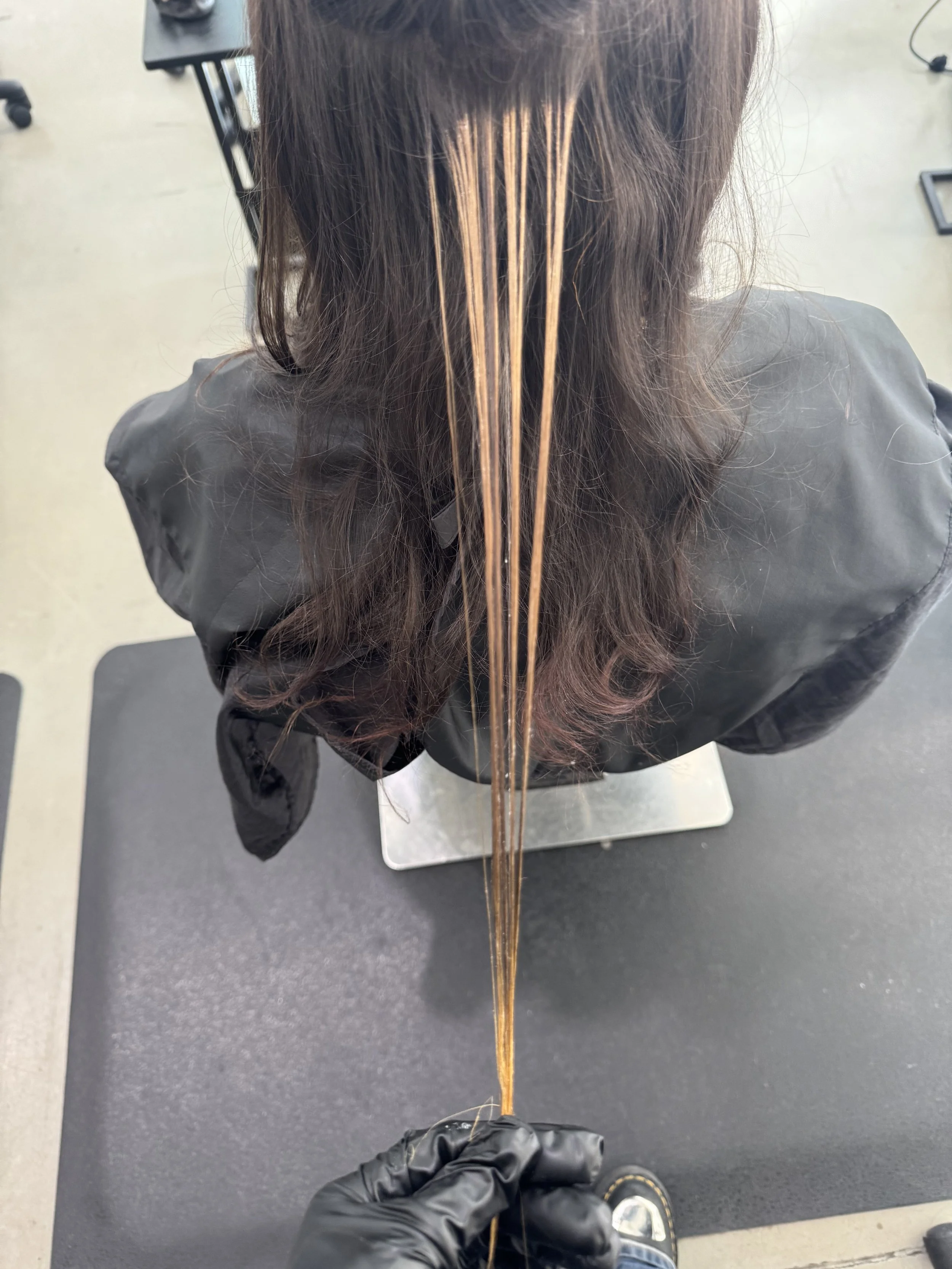
Evelyn corrects color banding in previously lightened hair at Forma Collective Salon in Denver. Watch the before and after color correction. @evelynshairclubb
Frequently Asked Questions
What color cancels out orange hair?
Blue toned shades can help neutralize orange, but the right color depends on your hair’s current level and the result you want. A colorist can tell you whether toning makes sense or whether your hair needs a different plan.
Can orange hair be toned blonde?
Toner can adjust the tone, but it can’t lighten your hair. If your hair isn’t light enough for the blonde you want, more lightening may be needed. A colorist can assess whether that’s a good option and whether it should happen gradually.
Why did my hair turn orange after bleaching at home?
Your hair may not have lifted far enough to reach your target, or previous color may have affected how it lightened. At home bleaching can also leave uneven patches. Before applying more bleach or color, get a professional assessment.
Is orange hair after bleaching permanent?
Not necessarily. Orange warmth can often be toned or addressed with a color correction plan. The best approach depends on your hair history, condition, and the shade you want.