
A Brief History of Alt Hair: From Rebellion to Raccoon Stripes
By: Evelyn Clubb
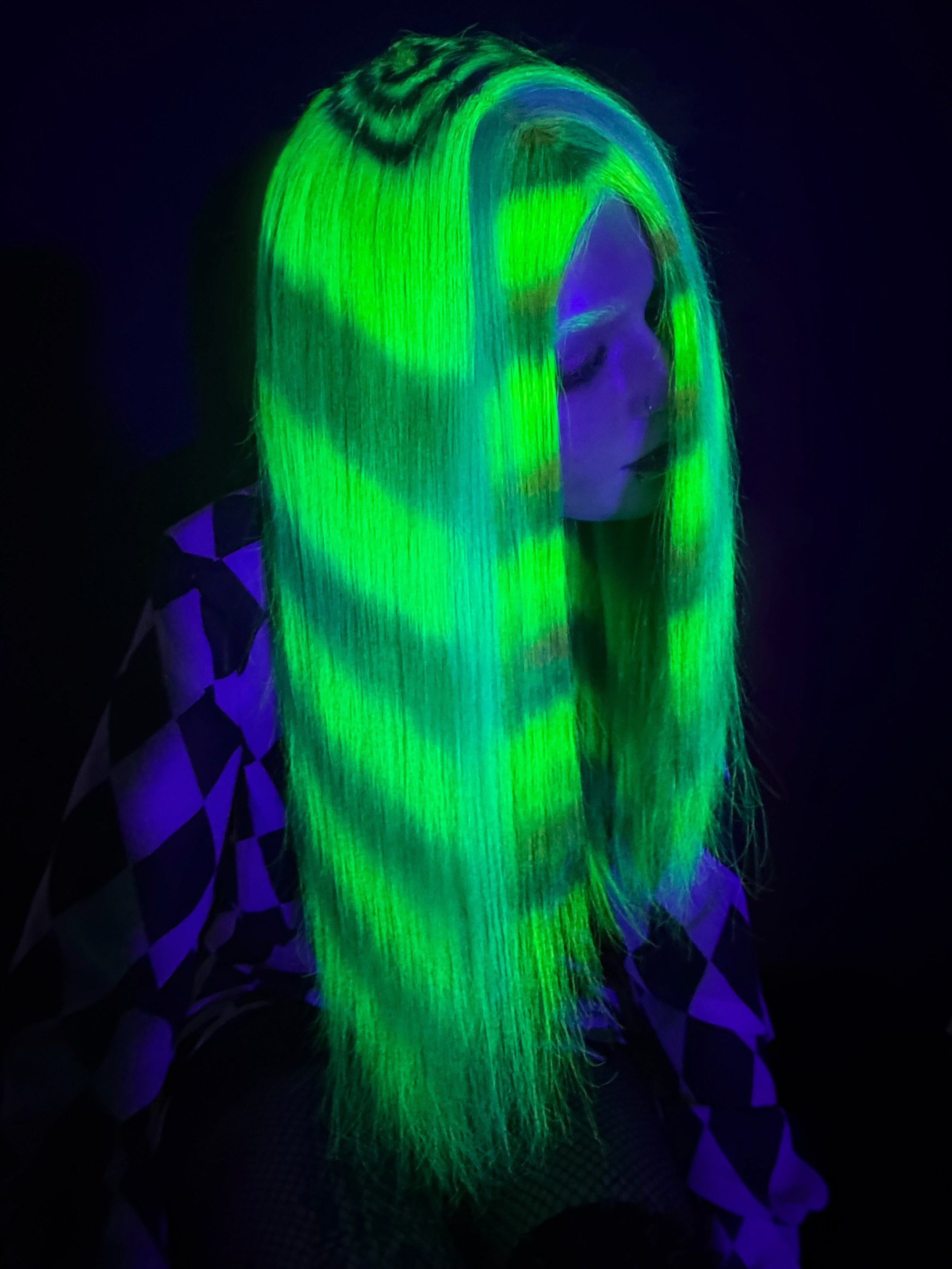
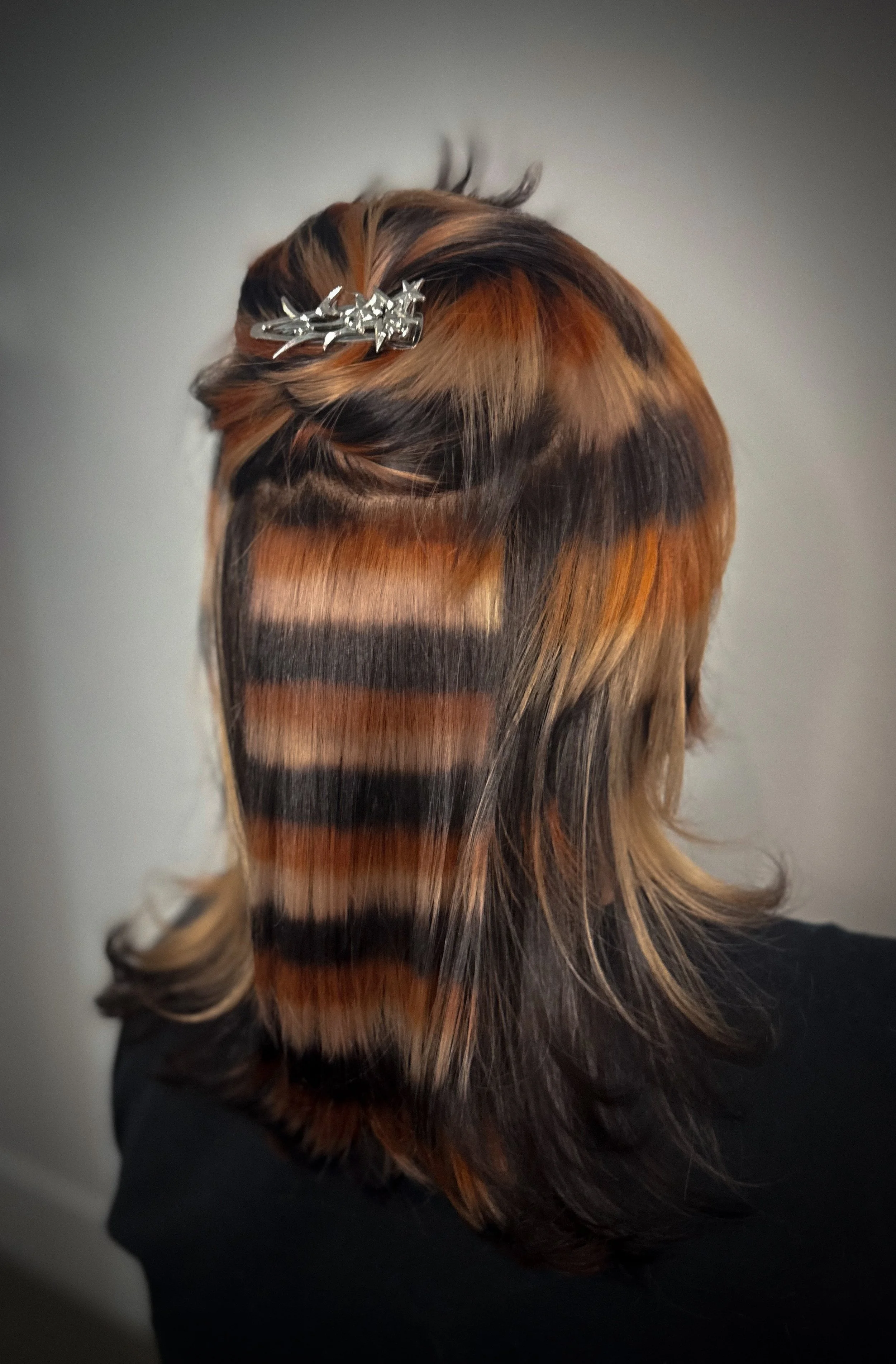
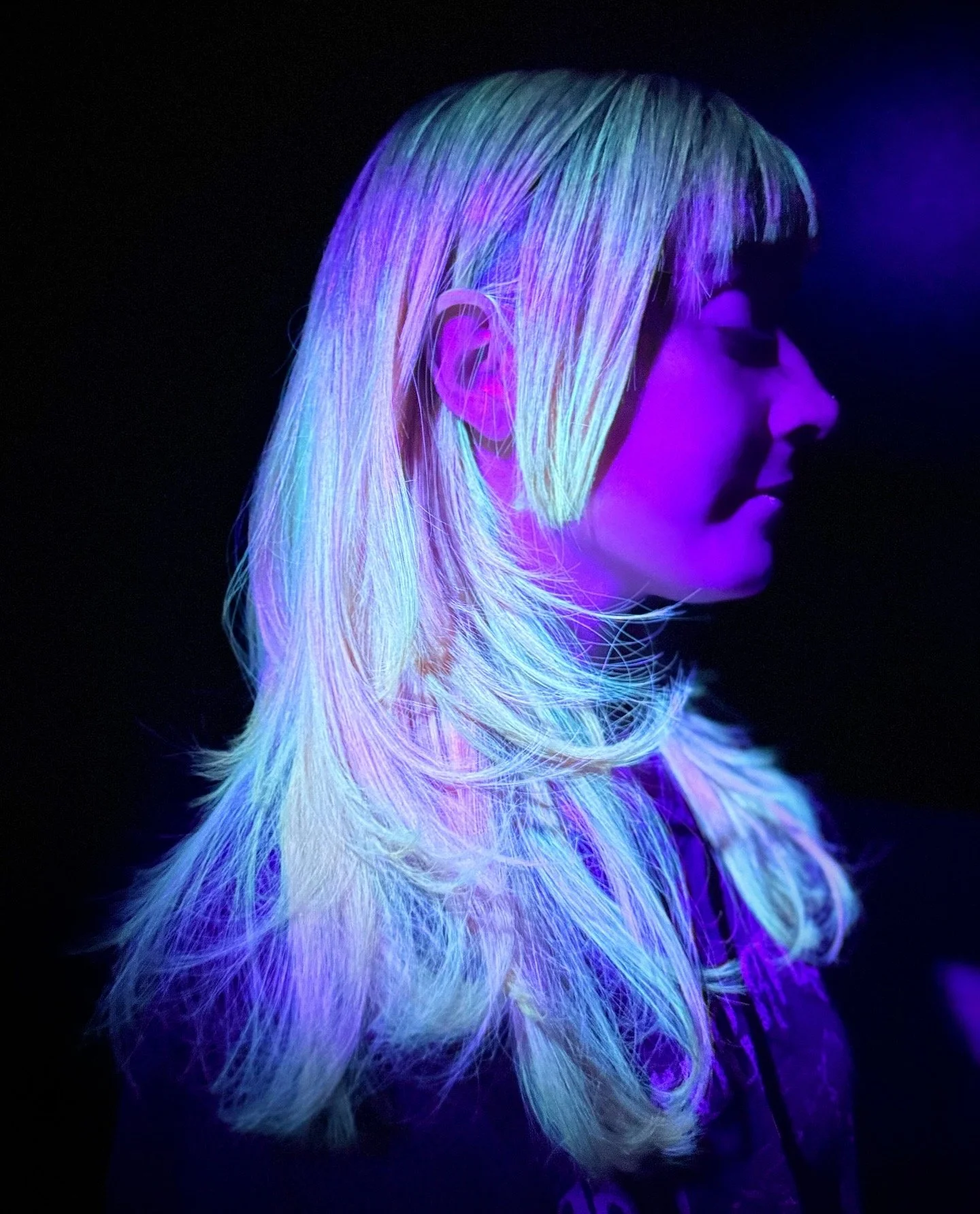
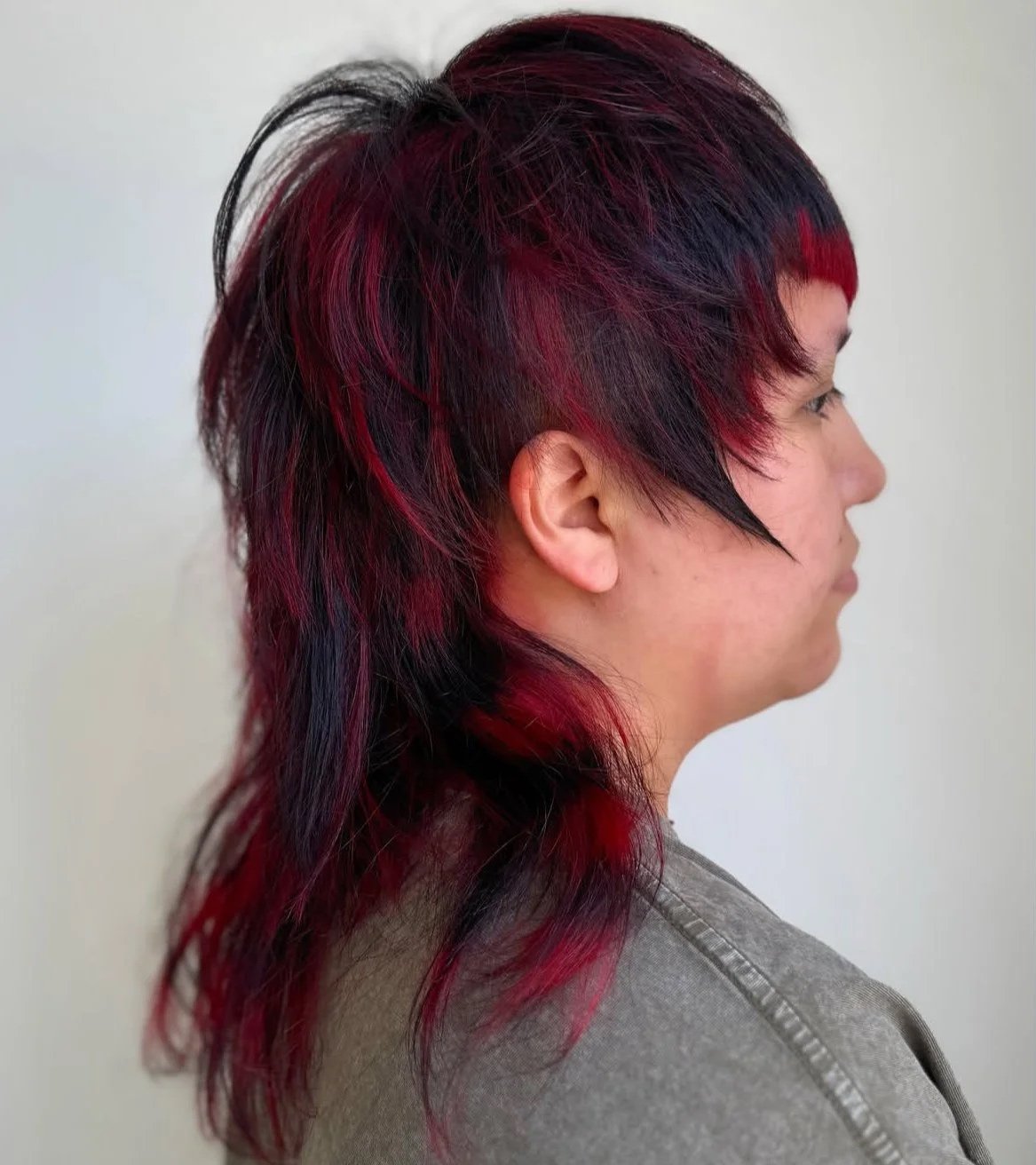
Alt hair didn't start on TikTok.
Before split dye, raccoon stripes, deathhawks, Chelsea cuts, and color blocking filled our feeds, people had already been using their hair to challenge beauty standards, gender expectations, and mainstream culture for generations.
There isn't one official "first alternative haircut." But there is a pretty cool family tree that got us to the alt hair we know today.
1920s–40s: Before Alt Hair Was "Alt Hair"
Alt hair obviously wasn't called alt hair yet, but people were already using their hair to push against what they were "supposed" to look like.
In the 1920s, the bob was a BIG deal. Women cutting off their long hair challenged traditional ideas of femininity, and the even shorter Eton crop took it a step further. It was super short, slicked down, and borrowed from a traditionally masculine look.
Basically, cutting your hair short could actually be rebellious.
The '30s shifted back toward softer, more traditionally feminine hair, but by the '40s, hair was becoming part of some really distinct youth and cultural identities.
One of the coolest examples is Pachuca style in Mexican-American communities. Pachucas paired dramatic hair, often with sculpted rolls or pompadour-inspired shapes, with bold makeup and zoot-suit-inspired fashion. Their whole look went against what women were expected to look and act like at the time.
So no, we didn't have deathhawks or raccoon stripes yet, but the idea behind alt hair was already there: using your hair to show identity, challenge what was considered "normal," and find your people.
1950s–60s: Hair Becomes Part of the Counterculture
By the '50s, hair was becoming a way for younger generations to separate themselves from everyone else.
Rock 'n' roll brought pompadours, quiffs, ducktails, and greased-back styles that became associated with teenage rebellion and going against the clean-cut look people were expected to have.
Then the '60s took it even further.
You had super sharp, geometric cuts becoming popular, while counterculture was going in the complete opposite direction with longer, more natural, less "perfect" hair.
Hair started becoming less about simply following whatever was fashionable and more about showing what music you listened to, what scene you were part of, and what you stood for.
Basically, the '50s and '60s helped set everything up for what was coming next.
And then punk showed up and completely threw the rules out the window.
1970s: Punk Changes Everything
This is where modern alt hair really starts to look like the alt hair we know today.
Punk basically threw the traditional hair rules out the window. Hair didn't need to be pretty, polished, natural, or technically "correct."
Hair was chopped unevenly. Sections were shaved. Shapes got extreme. Hair stood straight up. Color definitely didn't need to look natural.
DIY wasn't something to hide. It was kinda the whole point.
The late '70s also gave us the Chelsea cut, which became popular with women in the British skinhead scene. The crown and back were shaved or cut super short while leaving a fringe and sometimes longer pieces around the ears. Basically, one of the OG super disconnected alt haircuts.
And this is also where one of the biggest names in alt hair color comes in. Manic Panic was started in 1977 by sisters Tish and Snooky Bellomo, who were part of the NYC punk scene.
The mohawk also became one of punk's most recognizable silhouettes.
Basically, punk took a bunch of things traditional hairdressing would've considered "wrong" and made that the entire reason it looked cool.
1980s: Goth, Deathrock & Bigger Hair
Punk didn't disappear. It evolved.
Goth, deathrock, new wave, and other alternative scenes took punk's rejection of conventional beauty and created their own versions of it.
Enter the deathhawk.
Think mohawk structure meets massive teased goth hair: shaved sides, huge volume, dramatic silhouettes, and absolutely no interest in blending in.
Extreme teasing, black dye, asymmetrical shapes, shaved sections, dramatic bangs, and unconventional color became part of different alternative identities.
Hair was becoming even more closely connected to music, community, gender expression, and subculture.
1990s: Alternative Hair Splits Into Everything
By the '90s, alt hair wasn't just one specific look anymore.
Grunge, riot grrrl, industrial, rave, goth, punk, and other scenes were all doing their own thing, and hair got a lot more experimental.
Undercuts, shaved heads, baby bangs, chunky color, vivids, and intentionally messy shapes were showing up across different scenes.
Remember Manic Panic from the '70s? By this point, bright semi-permanent color had become a much bigger part of alternative hair culture. Vivids gave people another way to make their hair look intentionally unnatural and completely their own.
2000s: Emo & Scene Take Over
If any of this is starting to look familiar, this is where it gets really good.
The 2000s gave us emo and scene hair, and honestly they were doing the MOST.
Huge teased crowns, choppy razored layers, dramatic side bangs, extensions, black with neon colors, chunky blonde panels, leopard print, and obviously… raccoon tails.
And yes, the raccoon stripes all over your feed right now are not new. Scene kids were doing it first.
Same with disconnected layers, chunky panels, and putting color in places that weren't necessarily meant to look natural or blended.
A lot of the creative color placements we love now are basically polished-up versions of what alt kids were already doing in the 2000s.
2010s: Tumblr Takes Over
Then came Tumblr, and alt hair basically took over the internet.
Pastel goth, undercuts, shaved sides, split dye, baby bangs, pastel colors, bright roots, and grunge-inspired hair were EVERYWHERE.
This is also when alt hair started becoming way easier to find outside of your local scene. You didn't have to go to a show or know the right people anymore. You could literally find an entire community online.
And because everyone was seeing each other's hair, different styles and subcultures started mixing together even more.
Basically, the internet gave alt hair a whole new playground.
2020s: Everything Comes Back
And now we're basically taking every era of alt hair, throwing it together, and making it our own.
Chelsea cuts are back. Mullets are back. Shags are back. Raccoon stripes are VERY back. Split dye is everywhere. And deathhawks never really went anywhere.
Now we're also seeing jellyfish cuts, hime-inspired shapes, micro bangs, crazy color blocking, shaved sections, vivid patterns, disconnected layers, and pretty much anything else you can think of.
And honestly, that's my favorite part about alt hair right now.
You can pull inspiration from punk, goth, scene, emo, grunge, or literally all of them at once.
There really aren't rules anymore, and that's kinda the whole point.
Alt Hair Has Always Been More Than a Trend
Alt hair has changed A LOT over the last 100 years, but the reason we do it really hasn't.
It's always been about identity, self-expression, community, and doing whatever the hell you want with your hair.Every generation has taken something from the one before it, changed it, made it their own, and passed it on.
And that's honestly why I love doing alt hair so much. I get to take all this history and turn it into something completely personal for the person sitting in my chair.
So if you're in Denver and you've been wanting the weird haircut, crazy color, raccoon stripes, color blocking, or something you can't even put a name to yet, come see me at Forma Collective.
I'm Evelyn, the stylist behind Evelyn's Hair Clubb, and weird hair is always welcome in my chair. 🖤
Come join the Clubb.♣️